

Fahim Hoque
Published on 11/02/2026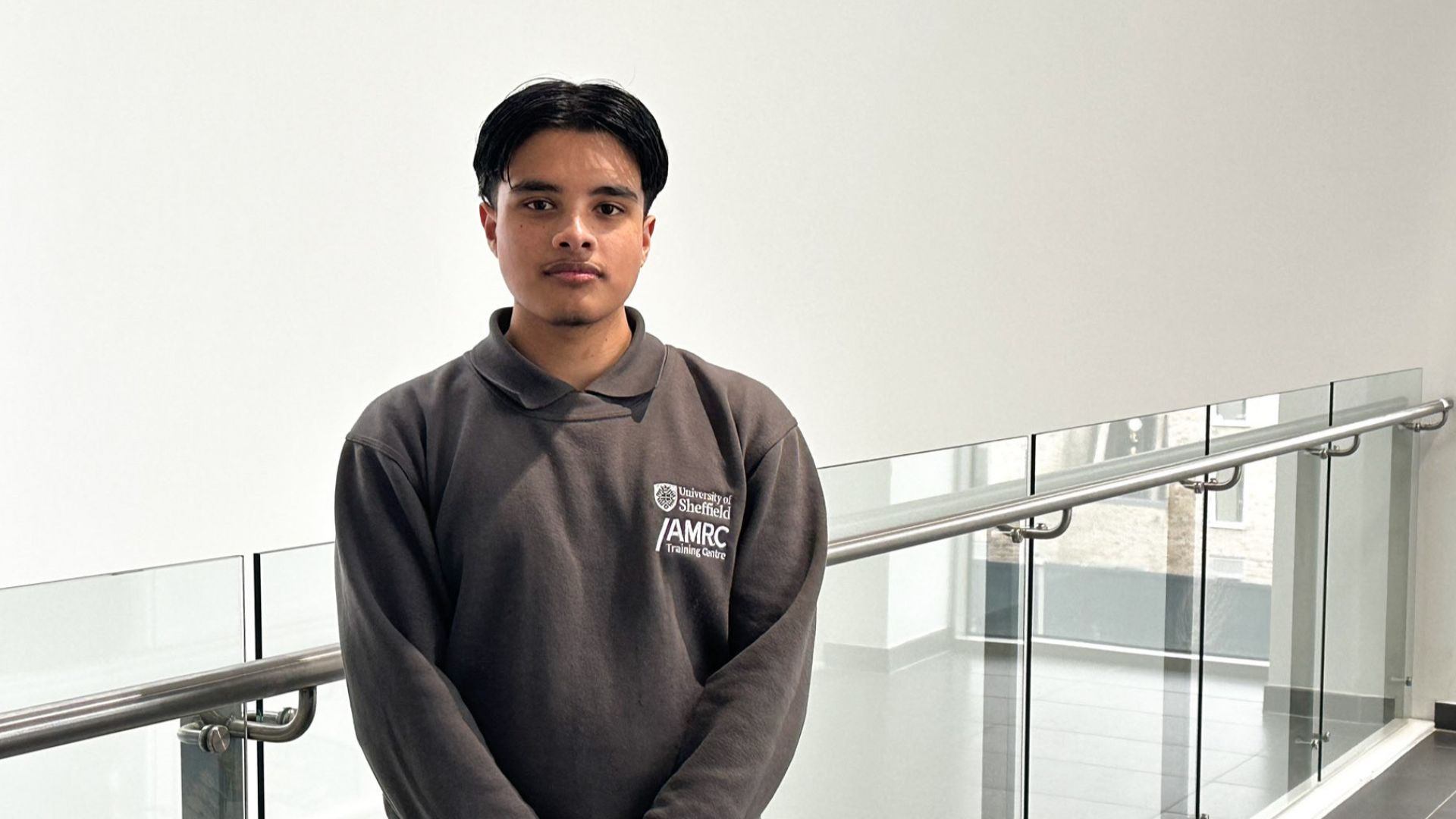
Employer: Avanti Gas
Job title: Technical engineer apprentice
Studying: Level 3 - Engineering and manufacturing support technician
Q. What inspired you to pursue a career in engineering?
Ever since I was a kid I’ve been around the world of engineering. My dad was a materials scientist. I remember when I was five years old, he helped me put LED lights in a cardboard giraffe to give it flashing eyes, and I was hooked.
I used to help my dad with the family business and he would take me to events in universities. We went to one at the University of Sheffield AMRC Training Centre when I was eleven or twelve and I got to see the facilities they had. They let me use a welding machine to attach metals together and it really inspired me. From that moment on, all I wanted to do was come here for an apprenticeship.
Q. Why did an apprenticeship appeal to you?
I learn best by doing things myself, so I didn't want to go to university and sit in a classroom all day. When I'm in the AMRC Training Centre workshop, or using the machines at AvantiGas, I can see it in real life.
I definitely made the right decision. A lot of my school friends are now in their final year at university and they tell me they wish they had chosen an apprenticeship instead, because they’re only just starting to look for real industry experience. Meanwhile, I’ve already been working on live projects, using professional equipment, and building confidence in the workplace. The early exposure gives you a big head start and helps you grow both technically and professionally. I will have a secure job at the end of it and won’t have to worry about finding work.
My family are ecstatic that I'm following in my dad’s footsteps. I was the first person in our family to get onto an apprenticeship with the AMRC Training Centre. Because it's part of the University of Sheffield, it’s really prestigious.
Q. How is your apprenticeship giving you the skills and knowledge you need for a rewarding career?
It's giving me a better understanding of engineering. Everything I learn in the lessons I then apply at work.
For example, the first thing I did at the AMRC Training Centre was computer-aided design (CAD). I didn’t have the opportunity to learn that at school. Now I make CAD designs all the time in my job. Thanks to the training, I was able to do it straight away without needing extra help. That connection between learning and real-world application makes a huge difference, as it helps you understand not just how something works, but why it’s done that way within industries.
Alongside the technical skills, working with people of different ages, roles, and backgrounds has helped me grow personally as well. Being in a professional working environment has improved my communication skills and confidence, and I now feel comfortable speaking to colleagues across the business without the pressure of being new. That combination of technical ability and workplace confidence is what’s setting me up for a rewarding career in engineering
Q. What is the best part about doing an apprenticeship at the AMRC Training Centre?
The best thing about the AMRC Training Centre is the support from the trainers and teachers. I've never experienced that level of support anywhere else. They are truly invested in you, and they’re very approachable to talk to.
We’re currently designing and 3D printing a USB case. When I was working on my CAD design I was stuck and asked for help. The trainer really helped me, but he did so in a way where I was still coming up with the solutions myself. They don’t spoonfeed you, they encourage you. They point you in the right direction to figure it out on your own — and that's the best way to learn.
I’m also really enjoying working with the other apprentices. I worked in industry for a couple of years before starting the apprenticeship and I was working with people my grandparents’ age, so it’s great to be around people my own age again. We get on really well and help each other out.
Q. What do you do in your job at Avanti Gas?
AvantiGas provides liquefied petroleum gas (LPG) solutions for homes and businesses across the UK – primarily to consumers that are off-grid, or where the National Grid does not meet their requirements.
In my job, I produce bespoke and standard designs for LPG systems that meet industry standards and regulation. I provide engineering technical support to the business, including the teams that install, maintain and deliver products to the LPG systems.
I’m also involved in writing and reviewing engineering documentation, including specifications, internal standards, and procedures. It’s really taught me how important rules and regulations are in this industry.
At the end of my apprenticeship I’d like to move onto the degree apprenticeship and then progress my career in Avanti Gas, from junior to technical engineer and eventually to chartered engineer.
Q. What advice would you give to other people looking to do an apprenticeship?
If you want to work in engineering, an apprenticeship is the best route — especially if you like practical hands-on learning. You’re in the industry straight away, you’re using the machines, and you understand the world of engineering business. The experience and exposure to the industry will be invaluable in your career.